Director’s Message
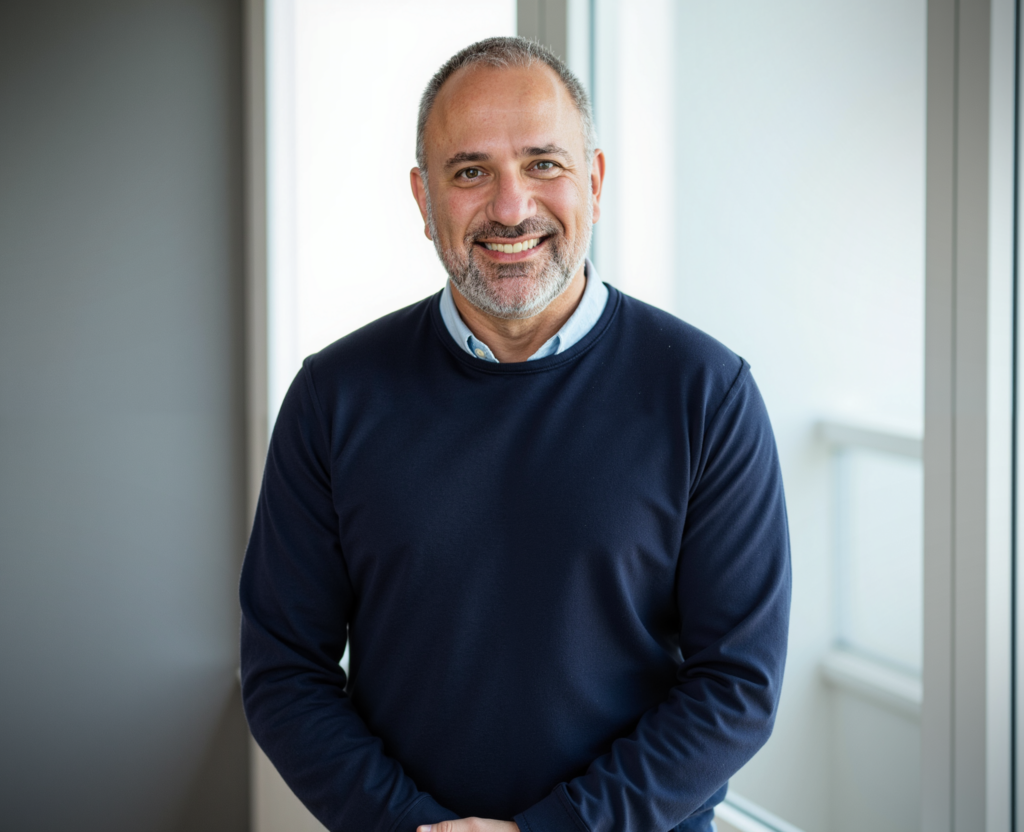
It is a profound honor to serve as the inaugural Director of the Florida Space Research Consortium (FSRC).
My vision is to position the FSRC as a powerful catalyst for Florida’s space economy through research. By uniting our members’ considerable strengths, we will tackle ambitious initiatives and space missions that no single organization could achieve alone.
Through strategic partnerships among our members — and with other Florida organizations, industry, government, and the investment community — the Consortium will pursue bold goals. We will leverage space-based research to address critical health challenges on Earth, advance the manufacturing of high-value materials and biomaterials, develop transformative technologies, and make discoveries that expand human potential both on Earth and in space.
Together, we will push the boundaries of living, working, and thriving beyond our planet while reinforcing Florida’s position as a global leader in space exploration and innovation.
I look forward to collaborating with all of you to turn this vision into reality.
Alain Berinstain, Ph.D.
Director, Florida Space Research Consortium
Join the Consortium
The Florida Space Research Consortium welcomes partners across academia, industry, government, and investment who are committed to shaping the future of space.
Together, we are launching what’s next.








Partner News





Impact & Vision
The Florida Space Research Consortium builds on Florida’s unique position in space by more closely connecting research, talent, and infrastructure across the state.
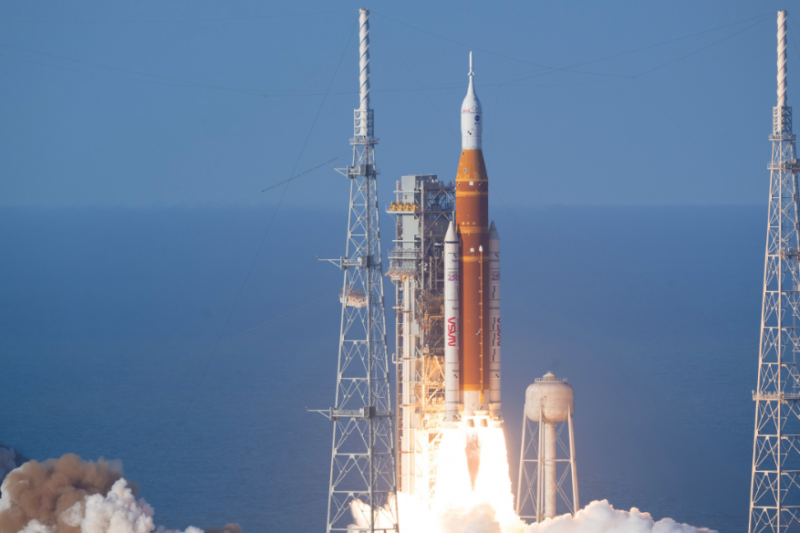
Florida is already a national leader in launch and space operations. The Consortium extends that leadership by ensuring the research and workforce development underway across its universities are better aligned with emerging needs in space exploration, technology, and commercialization.
By working in a more coordinated way, Consortium partners are better positioned to:
- Address complex challenges that span multiple disciplines and institutions
- Pursue larger, more integrated research and development opportunities
- Translate research into space applications more efficiently
- Align education and workforce development with the evolving space economy
This approach does not add new layers of activity. Instead, it makes existing capabilities more visible, more connected, and more effective.
Over time, the State University System becomes a more cohesive resource for the nation’s space enterprise—able to engage at scale, respond to changing priorities, and contribute to the technologies, knowledge, and workforce that will define the next phase of space activity.
Purpose & Approach
TThe Florida Space Research Consortium connects capabilities that already exist across Florida’s universities and organizes them in ways that make them more effective in the context of space.
Rather than creating new programs or duplicating existing efforts, the Consortium focuses on alignment—across institutions and with partners such as NASA, Kennedy Space Center, Space Florida, federal agencies, and commercial space companies. This alignment makes it easier to access expertise, coordinate activity, and pursue shared priorities.
Operating at the scale of the State University System allows the Consortium to support efforts that are difficult to advance individually, particularly those that require multidisciplinary collaboration, shared infrastructure, or broader visibility. It also provides a more coherent way for external partners to engage with Florida’s universities as a connected research ecosystem.
At its core, the Consortium reduces fragmentation and improves coordination—helping Florida’s universities contribute more effectively, together, to the future of space.
Research represented within the Florida Space Research Consortium The Florida Space Research Consortium reflects the breadth of space-related work already underway across Florida’s universities while creating more intentional pathways for that work to connect and grow.
Areas of focus include:
- Space science, exploration, and Earth observation
- Spaceflight systems, propulsion, power, and communications
- Materials, manufacturing, and infrastructure for space environments
- Human health, performance, and biological systems in space
- Autonomy, robotics, sensing, and data-driven space systems
- Space commercialization, policy, and workforce development
Together, these areas represent a comprehensive foundation for advancing space research and application—supported by stronger coordination and shared direction.
Through its university partners, the Consortium provides access to a wide range of capabilities that support the full lifecycle of space research and development.
These include:
- Spaceflight hardware development and payload processing
- Thermal vacuum, vibration, radiation, and materials testing
- Advanced laboratories for sensing, communications, and autonomy
- Additive manufacturing and novel materials research
- Microgravity research using suborbital, orbital, and analog platforms
By improving visibility and coordination across these assets, the Consortium makes it easier for researchers, agencies, and industry partners to access the resources needed to move work forward—from early discovery through flight-ready systems.
The Florida Space Research Consortium strengthens connections between university research and the growing space economy.
Working closely with Space Florida and industry partners, the Consortium helps align research activity with real-world application and opportunity. This includes supporting:
- Technology maturation and transition
- Engagement with startups and investors
- Industry-informed research collaboration
- Access to infrastructure and testing environments
A more coordinated approach helps ensure that innovations developed within Florida’s universities can move more efficiently into use—supporting job creation, attracting investment, and reinforcing the state’s role in the space economy.
The Florida Space Research Consortium is built on the idea that Florida’s universities are strongest when they are working in alignment.
By bringing together complementary strengths across the State University System—and maintaining close connections to the state’s spaceport, industry base, and public-sector partners—the Consortium provides a more unified, accessible, and effective way to engage Florida’s academic capabilities.
Together, the Consortium partners are helping ensure that Florida’s leadership in space extends beyond launch—contributing to the research, technology, and workforce that will shape the future of space.
University Partners
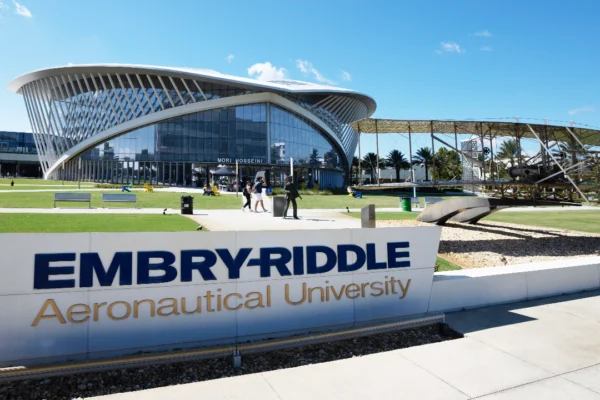
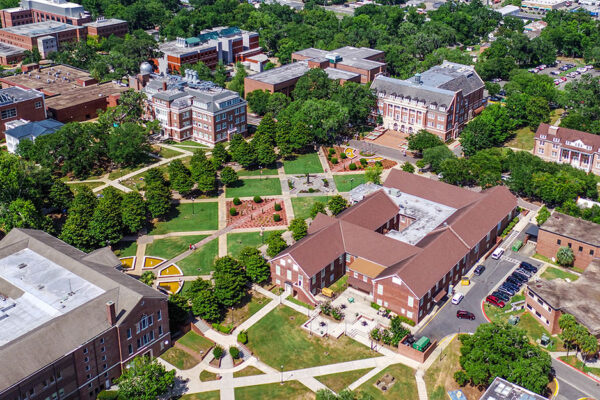
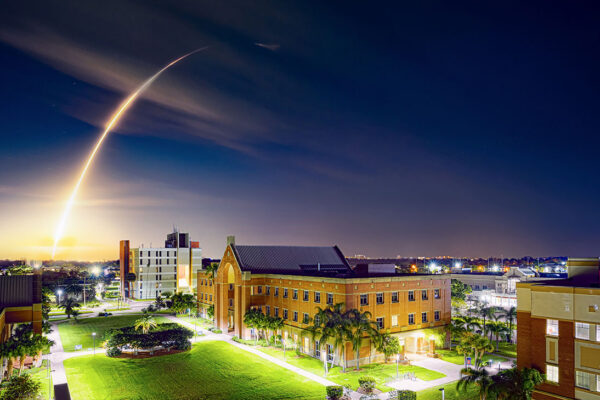
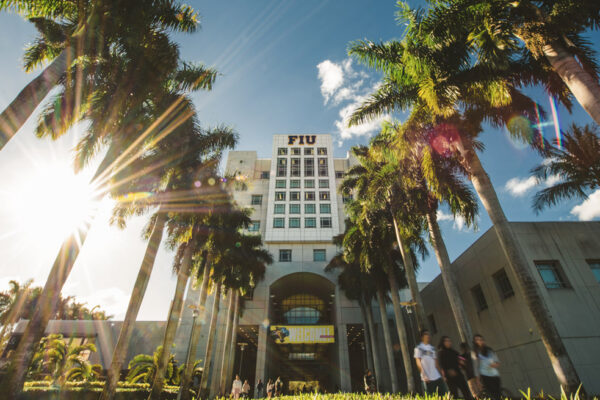
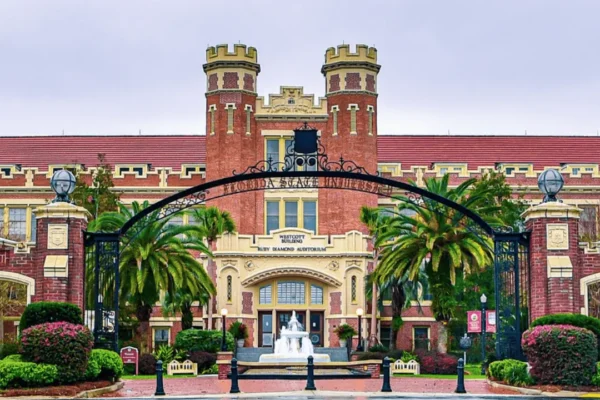
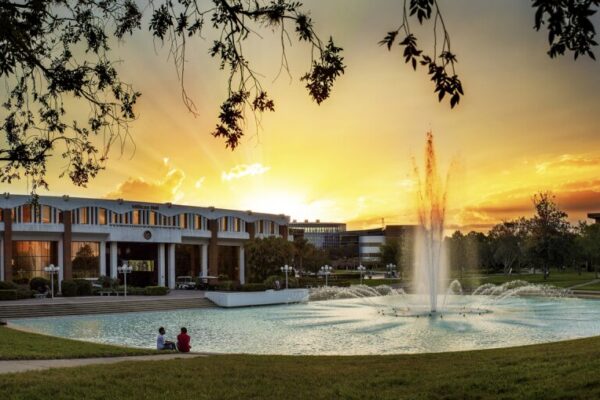
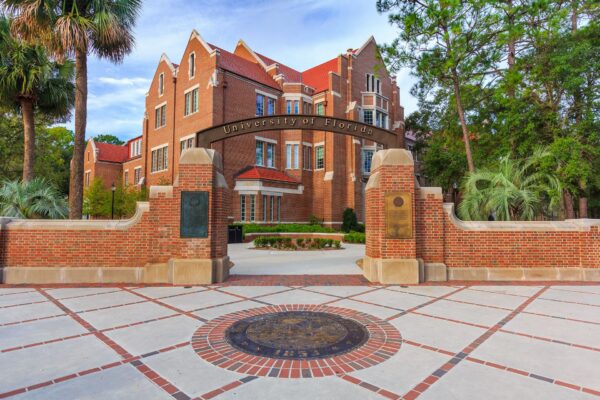
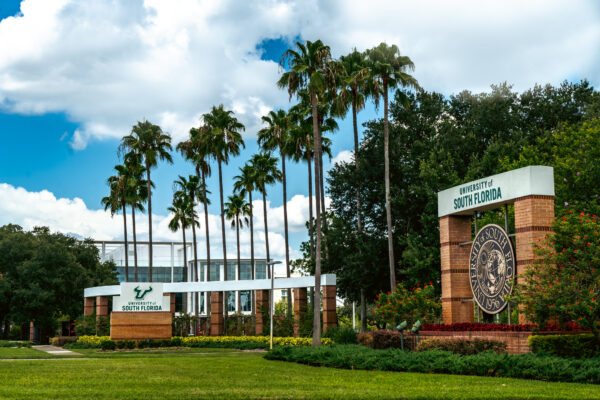
The Florida Space Research Consortium is powered by Florida’s major research universities. Each partner contributes distinct strengths in science, engineering, medicine, policy, business, and workforce development—creating a deeply interdisciplinary space research enterprise.